
A daily, pocket-sized history of America's working people, brought to you by The Rick Smith Show team.
Episodes

Monday Jul 13, 2020
Monday Jul 13, 2020
On this day in Labor History the year was 1863. That was the day that draft riots broke out in New York City. The Civil War had been raging for two years. For the first time in United States’ history, the government instituted a draft lottery. But those with enough money could buy their way out of the draft.
Sunday Jul 12, 2020
Sunday Jul 12, 2020
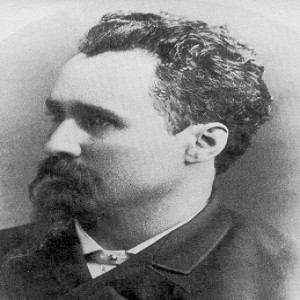
On this day in Labor History the year was 1850. That was the birthday of Oscar Neebe. Neebe was one of eight men convicted of inciting violence at a workers rally at Haymarket Square in Chicago in 1886. He was born in New York City
Saturday Jul 11, 2020
Saturday Jul 11, 2020
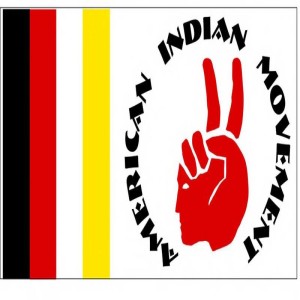
On this day in Labor History the year was 1968. That was the day that the American Indian Movement began at a meeting in Minneapolis, Minnesota. A group of 200 Native Americans gathered together to discuss a response to the US governments’ history of broken treaties and the devastating consequences on Native peoples.
Friday Jul 10, 2020
Friday Jul 10, 2020
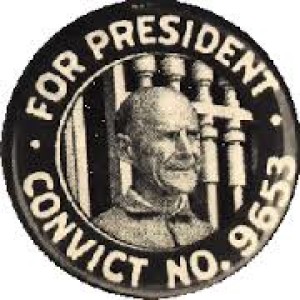
On this day in Labor History the year was 1894. That was the day that labor leader Eugene V. Debs was arrested for supporting the strike of Pullman Palace Car Company workers. In May, the workers who made the popular train sleeping cars had walked off the job. George Pullman had slashed workers’ wages, but had kept the rents in his company town steady.
Thursday Jul 09, 2020
Thursday Jul 09, 2020
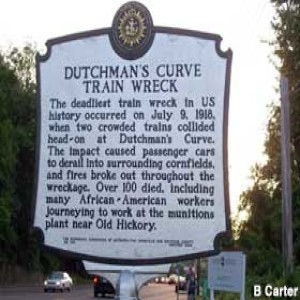
On this day in Labor History the year was 1918. That was the day that went down in U.S. history as the Great Train Wreck. The wreck occurred at Dutchman’s Curve, in Nashville, Tennessee. During World War I, the train industry was bustling across nation. Trains carried troops, as well workers to factories to support the war effort.
Wednesday Jul 08, 2020
Wednesday Jul 08, 2020
On this day in Labor History the year was 1966. That was the day that the International Association of Machinists went out on strike. The day before “The Machinist” newsletter published out of Washington D.C., declared “Strike Set on Five Airlines.” During the first-half of the 1960s the airline industry had invested in new equipment and jet technology.
Tuesday Jul 07, 2020
Tuesday Jul 07, 2020
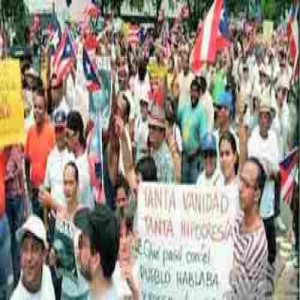
On this day in Labor History the year was 1998. That was the first day of a 48-hour general strike in Puerto Rico. The strike was called in support of telephone workers, who had walked off the job three weeks before. The workers were protesting government plans to sell off the publicly owned telephone service to GTE, a private company based out of Connecticut.
Monday Jul 06, 2020
Monday Jul 06, 2020
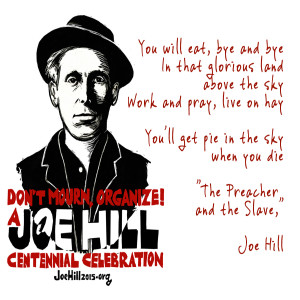
On this day in Labor History the year was 1911. That was the day that the song “The Preacher and the Slave” first appeared in the Little Red Song Book. The Little Red Song Book was a compilation of labor songs, published by the Industrial Workers of the World union. The booklet was pocket-sized so labor activists could carry it with them wherever they would go.
Sunday Jul 05, 2020
Sunday Jul 05, 2020
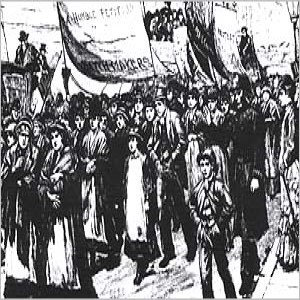
On this day in Labor History the year was 1888. That was the day that the spark was lit that touched off what came to be known as the “Match Girls Strike” in East London. The Match Girls were workers at the Bryant and May Match factory. Matches were in high demand. The workers struggled under horrible conditions.
Saturday Jul 04, 2020
Saturday Jul 04, 2020
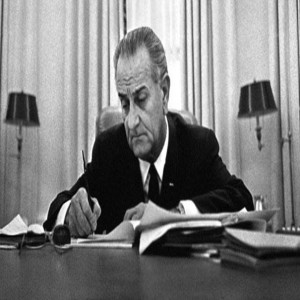
On this day in Labor History the year was 1966. That was the day that the Freedom of Information Act was signed by President Lyndon B. Johnson. The act required government agencies to respond to citizen requests for information. John Moss, a Democratic Congressman from California fought for the passage act for more than a decade.