
A daily, pocket-sized history of America's working people, brought to you by The Rick Smith Show team.
Episodes
Oct 14, 2022
Oct 14, 2022
1 min
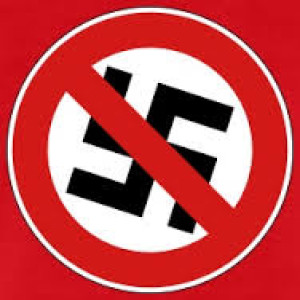
On this day in Labor History, the year was 1933. That was the day the Executive Council of the American Federation of Labor decided to call for a boycott of Nazi Germany’s goods and services. Jewish labor leaders in the United States led the push for the boycott.
Oct 13, 2022
Oct 13, 2022
1 min
On this day in Labor History, the year was 2000. That was the day the newspaper carriers for the San Jose Mercury News ended their walkout. Eighty percent of the newspaper carriers were Vietnamese immigrants to the United States. Many were elderly, or recent immigrants with families.

Oct 12, 2022
Oct 12, 2022
1 min
Bury me with my boys in Mt. Olive, and let no traitor draw breath over my grave.” Such was the last wish of labor leader Mother Jones. She wanted her final resting to place to be alongside the coal miners who gave their lives in the struggle to bring fair wages and a safe working environment to Virden, Illinois.
Oct 11, 2022
Oct 11, 2022
1 min
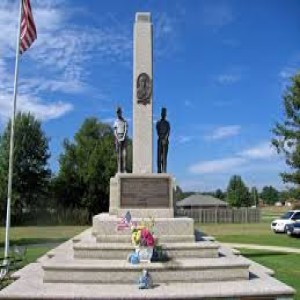
On this day in Labor History the year was 1936. 50,000 people gathered in the small town of Mount Olive, in southern Illinois. They had come to commemorate a new memorial to renowned labor leader Mother Jones and the honor mine workers who had lost their lives. Five special trains and twenty-five Greyhound buses helped bring the crowd to the Union Miners Cemetery.
Oct 10, 2022
Oct 10, 2022
1 min
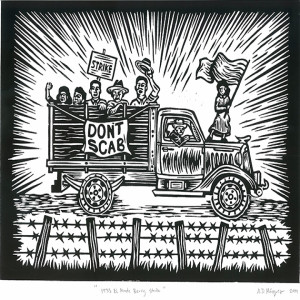
On this day in Labor History the year was 1933. That was the day that forty armed cotton growers shot at a group of striking workers in the small town of Pixley, California. That year a wave of labor unrest had swept through the fields of California’s agriculture industry. Nearly 50,000 workers participated in strikes throughout the year.
Oct 9, 2022
Oct 9, 2022
1 min
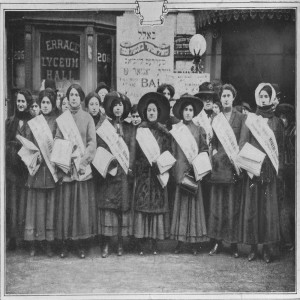
On this day in Labor History the year was 1888. That was the day that the United Hebrew Trades was founded in New York City. The new effort was patterned after the United German Trades. The goal was to organize Yiddish speaking workers.
Oct 8, 2022
Oct 8, 2022
1 min
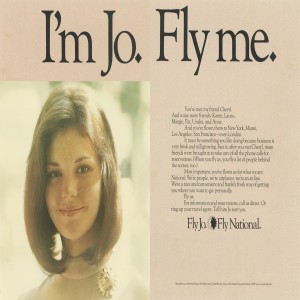
On this day in Labor History the year was 1986. Female flight attendants won an important legal victory. Can you imagine losing your job because you decided to get married? It might have happened if you were a flight attendant working in the mid-Twentieth century.
Oct 7, 2022
Oct 7, 2022
2 min
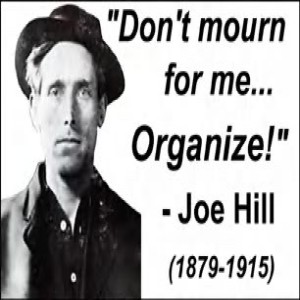
On this day in Labor History the year was 1879. The man who came to be known as Joe Hill was born Joel Emmanuel Hagglund in Gavle, Sweden. Hill traveled the United States organizing for the grassroots labor organization the Industrial Workers of the World.

Oct 6, 2022
Oct 6, 2022
1 min
On this day in Labor History the year was 1996 fifteen thousand workers at the General Motors Plant in Quebec walked off the job. Members of the Canadian Auto Workers union were frustrated with their wages. They were also angry about layoffs and GM’s moves to outsource some of the auto production to non-unionized labor.
Oct 5, 2022
Oct 5, 2022
1 min
On this day in labor history, the year was 1886.
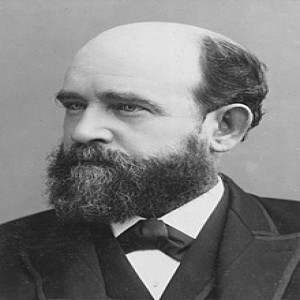
That was the day Henry George accepted the nomination to run for mayor of New York on the United Labor Party ticket.
In cities across the country, trade unionists met to found state labor parties and to hammer out political platforms for local and state elections.
In New York City, ULP advocates issued the Clarendon Hall platform and nominated Henry George as the ULP candidate for the mayoral race.
George had gained prominence with the 1879 publishing of his book, Progress & Poverty.
In it, he addressed private land ownership as the basis for inequality and advocated for a single tax system.
At New York’s Cooper Union that evening, where thousands of supporters gathered, George addressed the crowd.
He presented the ULP platform: higher pay, shorter hours, better working conditions, government ownership of railroads and communications and an end to police repression.
Burrows and Wallace describe the scene that night in their book, Gotham: A History of New York City to 1898.
During his speech, George declared that, “this government of New York City—our whole political system is rotten to the core.”
He argued that “politicians had made a trade out of assembling votes and selling them to powerful interests; what business got in return was police protection, lax enforcement of housing and health codes, friendly judges and fat franchises. To purify the political order, working class voters had to sever ties to all the established parties and choose from their own ranks.”
For a party that had just been founded weeks before, George came in second.
But like its sister organization in Chicago, the New York ULP would split over the issue of socialism within a year